Three ways to find the nearest machine right now
CoinFlip operates 132 bitcoin ATMs across New Zealand as of July 2026 (source: the official locator, locations.coinflip.tech) — the biggest fleet in the country. Three reliable ways to find yours:
- The official locator —
locations.coinflip.tech/nzlists every site with an individual page per kiosk: street address, host venue, opening hours and supported services. This is the source of truth; when this article and the locator disagree, believe the locator. - The wallet app's Map tab — the CoinFlip Wallet app shows the same fleet live, with one-tap directions. Best option if you're already standing on a street corner holding cash.
- Google Maps — searching "CoinFlip ATM" surfaces most sites with user reviews and photos, which are genuinely useful for judging how visible and comfortable a location feels. Cross-check against the official page, since third-party map data lags.
Auditor's note02 — The map in numbersMachine counts move. Sites get added, rotated to better-performing venues, or taken offline for cash collection. Every count on this page was pulled from the official locator on 2 July 2026 — re-check before a long drive, and note the regulatory situation below, which could reshape the whole network.
Where the 132 machines are: full regional breakdown
Coverage follows population with a few interesting exceptions. Here's the complete regional census from the official locator:
| Region | Machines | Share | Notes for users |
|---|---|---|---|
| Auckland | 49 | 37% | Densest coverage in the country — CBD, South and West Auckland all served; Botany, East Tāmaki and suburban dairies included |
| Canterbury | 33 | 25% | Christchurch metro dominates; strongest per-capita coverage in NZ |
| Greater Wellington | 14 | 11% | Wellington City (Vivian St and others) plus Hutt Valley and Porirua |
| Bay of Plenty | 9 | 7% | Tauranga and Rotorua carry the region |
| Waikato | 7 | 5% | Hamilton-centred with satellite towns |
| Northland | 5 | 4% | Whangārei plus far-north sites |
| Otago | 3 | 2% | Dunedin and Queenstown-Lakes |
| Southland | 3 | 2% | Invercargill — the southernmost crypto kiosks in the world's southernmost cities |
| Manawatū-Whanganui | 3 | 2% | Palmerston North and Whanganui |
| Gisborne / Hawke's Bay / Marlborough / Nelson / Taranaki / Tasman | 1 each | 5% | Single-kiosk regions — e.g. Wainui Road in Gisborne; check status before travelling, there's no backup machine nearby |
Reading between the rows: if you're in Auckland, Christchurch or Wellington, a kiosk is rarely more than a 15-minute drive. In single-machine regions the calculus flips — one offline kiosk means a wasted trip, so the app's live status check moves from nice-to-have to mandatory.
What kind of places host the machines (and why it matters)
CoinFlip's NZ fleet lives inside dairies and convenience stores, petrol stations, malls and shopping centres, and late-night retail — venues chosen for foot traffic, security cameras and long hours. This has practical consequences:
- Hours are the venue's hours. A machine in a 24-hour Mobil is a 24-hour machine; one inside Botany Town Centre keeps mall hours. Each official location page lists them — check before a late-night run.
- Privacy varies. Some kiosks sit by the till in a small dairy; others in a mall corridor. If feeding $2,000 in twenties into a machine while a queue watches isn't your idea of discretion, use street-view and reviews to scout first.
- Staff aren't operators. The dairy owner hosts the machine; they can't fix it, reverse anything, or see your transaction. All support runs through CoinFlip's own 24/7 line — save yourself the awkward counter conversation.
- Buy is universal, sell is not. Every machine sells crypto for cash; only cash-dispensing units buy it back. The locator's service tags tell you which is which — confirmed sell-capable sites are worth noting if you ever need NZD in hand fast.
Before you go: the five-minute preparation checklist
- Confirm the machine is online. App map or locator page, same data. Single-kiosk regions: non-negotiable.
- Set up your wallet at home. Install and back up a wallet properly (our setup guide takes fifteen minutes) and have the receive QR for the correct asset ready to display.
- Bring compliant cash. NZD notes; first-transaction minimum is NZ$20 per the official FAQ. Machines take notes only — no coins, no EFTPOS.
- Bring your phone and, above ~NZ$1,000, photo ID. Every transaction needs the SMS code; larger tiers step up to ID scan (details in the verification guide). Better to carry the licence than to abort mid-purchase.
- Know the price before you leave. Read the ATM charges teardown so the on-screen rate doesn't surprise you. The markup is the same at every kiosk in the network for a given asset — driving to a second machine won't get you a better price.
City-by-city: what "near me" looks like around NZ
Auckland (49 kiosks). From the CBD out to Henderson, Manukau and East Tāmaki, Auckland has the density where comparison shopping on convenience (not price — that's identical) makes sense: pick the venue with the longest hours and easiest parking. The Botany Town Centre kiosk on Chapel Road is a typical anchor-mall example.
Christchurch & Canterbury (33). The per-capita champion. Machines dot suburban dairies and petrol stations rather than clustering downtown, which means shorter queues than Auckland and near-universal car access.
Wellington (14). Urban-core heavy — Vivian Street and central sites — plus the Hutt. Mall and late-night retail hours dominate; check before Sunday evening trips.
Tauranga & Bay of Plenty (9), Hamilton & Waikato (7). Solid coverage for mid-size cities; typically one machine per suburb cluster, so the app map is the fastest route to the right one.
The south and the edges. Dunedin and Queenstown (3 across Otago), Invercargill (3 in Southland), and the one-kiosk regions — Gisborne, Napier/Hastings, Blenheim, Nelson, New Plymouth, Richmond. Here the machine is a convenience for cash conversion, not infrastructure to rely on: if it's down, the alternative isn't another kiosk, it's an online exchange.
06 — At the machineOnce you're standing there: the five-minute visit, done right
You found the kiosk. Here's how the visit itself should run, including the street-level details no locator page mentions:
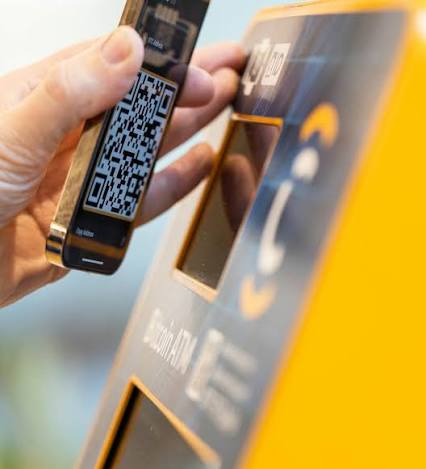
- Take thirty seconds before touching the screen. Glance at the machine: official CoinFlip branding, intact card of support numbers matching coinflip.tech, no stickers or "helpful" QR codes pasted over the original panels. Skimming-style tampering is rare on crypto kiosks, but QR-overlay scams (a sticker redirecting your "receive" scan to a thief's wallet) have been documented overseas. Scan QR codes from your own phone's app, never ones glued to the machine.
- Run the transaction unhurried. Phone number → SMS code → asset → your wallet QR → notes → read the confirmation screen like it's a contract, because it is. The machine cancels freely at any point before cash goes in; nobody behind you in line is entitled to your haste.
- Mind the cash-handling basics. Feed notes one at a time if the acceptor is fussy, keep your total under your verification tier (see the tier guide), and know that machines don't give change — insert exactly what you intend to convert.
- Wait for the on-screen confirmation, take the receipt, walk away clean. The purchase is broadcast; your app's History will show it incoming. There is no reason to linger, recount cash in view of the street, or discuss what you just did with curious strangers — treat it exactly like a large cash withdrawal.
- If the machine misbehaves, stop. Notes rejected repeatedly, screen frozen mid-transaction, no receipt after a completed purchase — photograph the screen, note the time and machine location, and call CoinFlip's 24/7 support on the spot with your transaction details. Do not feed more cash into a machine that's acting oddly, and don't accept "help" from bystanders.
Personal safety note07 — Forward lookKiosks live in public places, and crypto purchases are cash transactions. Basic rules apply: prefer daylight or well-trafficked hours for large amounts, don't announce your business, and if someone on the phone is instructing you through the purchase — hang up and read our scam section on the main guide, because that call is the scam.
Will these locations still exist next year?
Honest answer: probably, but with an asterisk. In July 2025 the Government announced an in-principle decision to ban crypto ATMs within the AML/CFT Act overhaul, targeting the cash-to-crypto channel criminals exploit. As of mid-2026 the ban is not in force — the fleet operates, and industry submissions advocating caps and licensing over prohibition are still in play, with final decisions expected later in 2026.
What this means practically: don't build a financial routine that depends on kiosk access, and if you hold crypto bought at machines, keep it in your own wallet — regulatory outcomes can close machines, but they can't touch self-custodied coins. We update this page as the situation moves; the byline date above tells you when we last checked.
If the nearest machine is far, offline, or the fees give you pause, the online route works from any couch in the country — same coins, a fraction of the cost, full ID upfront. That's not a knock on CoinFlip; it's just the honest map of the territory. The kiosks' job is turning physical cash into crypto right now, and at that one job, nothing else in New Zealand comes close.
Frequently asked questions
How do I find the closest CoinFlip ATM to me right now?
Two official tools: the locator at locations.coinflip.tech (filterable by region, with per-location pages showing hours and services) and the live map inside the CoinFlip Wallet app, which can route you via your phone’s navigation. Both show machine status — check before travelling, because kiosks occasionally go offline for cash collection or maintenance.
How many CoinFlip ATMs are there in New Zealand?
The official locator lists 132 locations across New Zealand as of July 2026, covering all major regions — the largest crypto ATM network in the country. Counts change as sites are added or rotated, so treat the locator as the source of truth.
Are CoinFlip ATMs open 24/7?
The machines follow their host venue’s hours. A kiosk in a 24-hour petrol station is effectively 24/7; one inside a mall keeps mall hours. Each location page on the official locator lists the venue’s hours — check them, especially on public holidays.
Can I sell bitcoin for cash at any CoinFlip location?
No — only machines with cash-dispensing hardware support selling, and they are a subset of the network. The location detail pages indicate available services. If cash-out matters to you, confirm the specific kiosk (or ring 24/7 support) before making the trip.
What do I need to bring to a CoinFlip ATM?
Cash (NZD notes), a phone with your wallet app ready to show a receive QR, and your NZ mobile number for the SMS check. Bring a physical photo ID (passport, NZ driver licence) if your purchase might exceed the lower verification tier. First transaction minimum is NZ$20 per the official FAQ.
Is there a CoinFlip ATM near me if I live rurally?
Coverage concentrates where people are: Auckland, Canterbury and Wellington hold nearly three-quarters of machines. If your nearest kiosk is an hour’s drive, weigh the round trip plus ATM fees against a regulated online exchange, which works identically from anywhere with internet and usually costs far less.
Which NZ city has the most CoinFlip ATMs?
Auckland leads outright with 49 machines — more than a third of the national fleet — followed by the Christchurch/Canterbury cluster with 33, which is the strongest coverage per head of population in the country. Wellington region runs third with 14.
Do CoinFlip ATMs accept EFTPOS or cards?
No — the machines are cash-only for buying (NZD notes), which is precisely their reason to exist. If you want to pay by card or bank transfer, the CoinFlip Wallet app’s in-app purchase or an online exchange does that job without a trip, and usually at better rates.